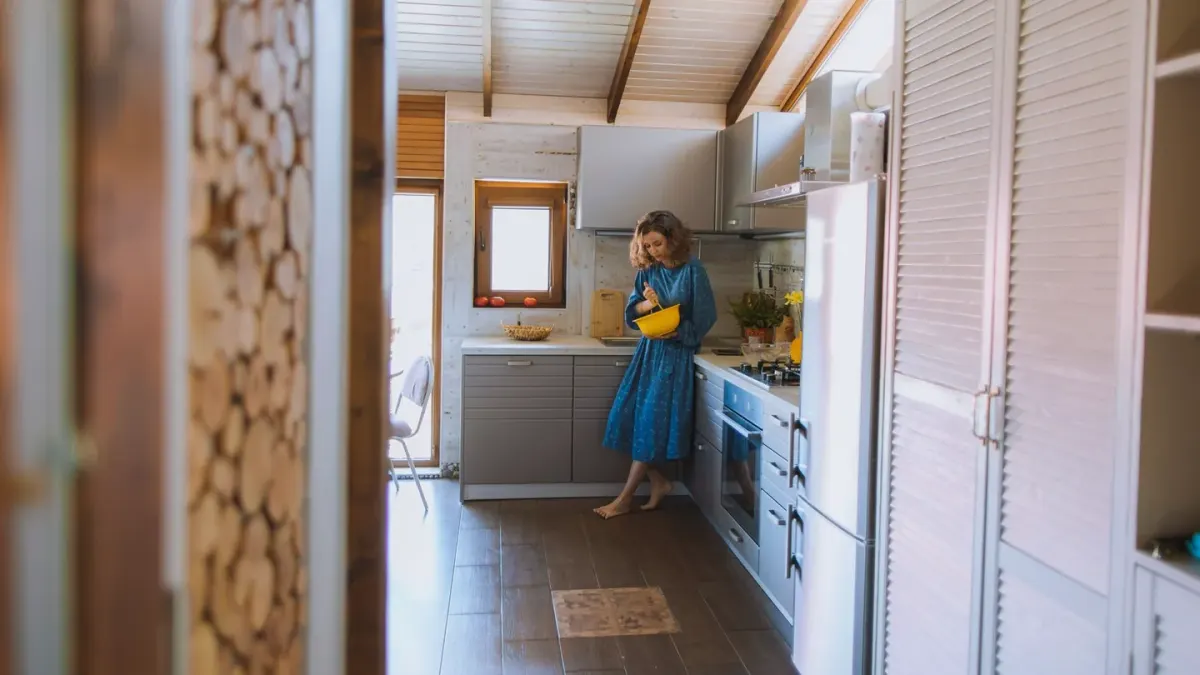
Victoria keeps Ajax’s chews on top of the refrigerator in her Pasadena kitchen, mostly for convenience. Ajax, her 4-year-old neutered Yorkshire Terrier mix, had soft stools for three days after boarding, and she is weighing whether moving the jar inside the fridge will keep the bacteria alive longer.
My verdict for most households: do not reflexively refrigerate. Buy a product formulated to be shelf-stable at room temperature, then protect it from heat and moisture. Cold helps only select strains and powders, and a damp fridge door can do more harm than a dry pantry shelf.

Why heat and humidity decide viability
Probiotic viability means live organisms through the end of shelf life, not just at manufacture. Heat speeds die-off. Moisture wakes freeze-dried organisms early, then they starve without food and humidity. Light and oxygen add smaller losses.
In practice, vets often see the same pattern: a tub left next to the stove or in a sunny laundry room loses potency faster than the same formula kept in a bedroom drawer. In practice, a stable 65 to 75 degrees in a sealed container beats a humid refrigerator shelf.
The National Institutes of Health Office of Dietary Supplements notes that probiotic storage conditions matter because live microorganisms must remain viable to confer an effect, and label storage directions reflect how a specific strain was tested.
That distinction matters for food-first care. A balanced gut microbiome supports overall immune function, but no storage trick rescues a product that was already heat-damaged in shipping or left open for weeks.
When the fridge actually helps
Refrigeration helps in three narrow cases.
First, the label asks for it. Some Lactobacillus and Bifidobacterium powders, refrigerated pastes, and clinic-dispensed liquids were stability-tested at 36 to 46 degrees. Follow that direction.
Second, the house runs hot. If summer indoor temperatures sit above 80 degrees for weeks without air conditioning, a sealed jar in the main fridge body may hold potency better than a hot garage or pantry.
Third, bulk powders get opened daily. Cold, dry air slows die-off once the seal is broken, provided the powder stays tightly closed with desiccant inside.
Cold alone never fixes moisture. Do not move chews in and out of the fridge, do not store them in the door where condensation forms, and do not transfer them to a pill organizer for the month.
How to read the label so cultures last
Look for three concrete details before you buy.
CFU through expiration, not at manufacture. “30 billion CFU at expiry” tells more than a large at-fill number.
Strain-level identity. Genus, species, and strain — for example Enterococcus faecium SF68 — tells whether the organism has data for shelf stability.
Storage and desiccant. A “store in a cool, dry place” line plus foil pouches, desiccant, and an opaque jar signals a shelf-stable design. Spore-forming organisms such as Bacillus species generally tolerate room temperature better than non-spore vegetative strains.
Set expectations before recommending a trial: even well-stored probiotics may help support normal stool consistency during diet change, travel, or boarding stress, but they do not replace diagnosis when vomiting, bloody diarrhea, weight loss, or lethargy persist.
Travis in Norman learned the quieter version of this with Linus, his 4-year-old neutered Coton de Tulear. Linus passed soft evening stools for five days after a 40-mile weekend road trip, and the change that steadied him was not colder storage — it was moving the jar from above the dishwasher to a dry hall closet and finishing the bag within 60 days of opening.
For daily routine, keep the lid closed, use dry hands or a dry scoop, reseal immediately, and discard after the expiration date. If you want background on combination formulas, see Digestive Enzymes for Dogs: When They’re Medicine and When They’re Just Marketing and What “Human-Grade” Actually Means in a Dog Probiotic — Benefits and Safety, Explained. For symptom context, Dog Gas Remedy: The Checklist I Use Before Reaching for a Supplement helps separate a storage problem from a diet or motility problem.
Keep it simple and dry.
Frequently asked questions
Should I refrigerate shelf-stable dog probiotic chews?
No, unless the label says to. Keep them sealed in a cool, dry place away from heat and humidity, and avoid moving them in and out of the fridge.
Does freezing extend probiotic shelf life?
Freezing is rarely recommended for finished chews or opened powders because freeze-thaw moisture can injure live organisms. Follow the label and use by expiration.
How do I know a probiotic lost potency?
You cannot tell by look or smell. Clumping, a sour odor, or months past expiration suggest loss, but the best guard is proper storage, an intact seal, and CFU guaranteed through expiry.
Sources
- Probiotics - Health Professional Fact Sheet — National Institutes of Health Office of Dietary Supplements