
Oct 3, 2026
How to Mark Rooms With Scent for an Older Dog
A vet guide to using safe scent markers to help a senior dog navigate rooms, avoid getting stuck, and stay oriented.
The best longevity supplements for dogs pair NAD+ precursors with antioxidants, and we score Boops against every rival honestly.
92 guides in this section.
A vet guide to using safe scent markers to help a senior dog navigate rooms, avoid getting stuck, and stay oriented.

A veterinary dentist's guide to what to ask when an older dog eats less, from mouth pain to organ disease and medication effects.
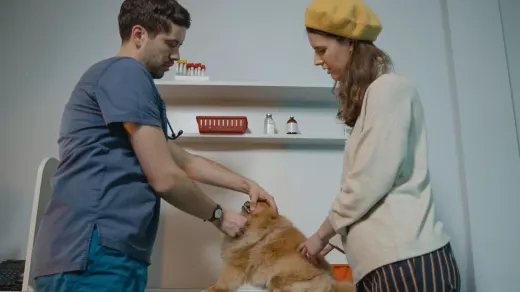
A veterinarian's step-by-step plan to protect your senior dog's rest, space, and routine while introducing a new puppy safely.

A TCVM-minded veterinarian explains how to teach visual cues to senior dogs with hearing or cognitive changes, step by step.

Already giving glucosamine or fish oil? How to add cellular and antioxidant support without doubling up or overloading an older dog.

A TCVM veterinarian explains what middle-aged dogs need from a longevity supplement, which ingredients have support, and when to skip them.

How to choose a longevity supplement when your rescue dog's age is unknown — stage by function, prioritize NAD+ precursors and antioxidants, and buy on transparency.

How to choose a longevity supplement for a still-active senior dog — what to prioritize, what to skip, and how to braid nutrition, movement, and veterinary care.

How to choose a longevity supplement for a toy-breed senior: dose by weight, NAD+ precursors, antioxidants, and label checks.
A veterinarian's scoring checklist for cognitive support supplements for senior dogs, covering dose, evidence, testing, and fit.
A hospice veterinarian's scoring checklist for judging dog longevity drops — label clarity, dose, delivery, testing, and comfort-first fit.
A veterinarian's scoring checklist for senior dog multivitamins — label math, dose transparency, quality seals, and whole-dog fit.
A TCVM veterinarian explains how to score NAD+ soft chews for dogs on precursor clarity, dose math, quality proof, and fit for senior patterns.
A veterinary dentist's scoring checklist for NMN supplements for dogs — what to check on the label, testing, dose transparency, and where the evidence stops.
A veterinary review of longevity powder labels for dogs — hidden doses, proprietary blends, and what to choose instead.
A veterinarian's label-reading guide to NAD+ longevity stacks for senior dogs — proprietary blends, fairy-dust doses, and what a clean panel looks like.
A working-dog vet explains how to read a senior chew label for NAD+ dose, antioxidant support, and quality seals — and what to reject.
A veterinary guide to reading NAD+ dog supplement labels — hidden doses, proprietary blends, and what a clean longevity label shows.
A board-certified internist explains COAs, heavy metals, beta-glucans, and potency testing for dog mushroom longevity supplements, with scored picks.
A veterinarian explains the COA, purity, potency, heavy metals, and microbial tests to demand before buying any NMN powder for dogs.
A veterinarian explains how to read an antioxidant label for dogs — doses, forms, redundancy, and testing — without falling for fairy-dust blends.
A veterinary guide to CoQ10 form, dose transparency, fat-based delivery, and third-party testing for dogs.
A veterinarian explains quercetin form, label transparency, and quality testing, and what to prioritize for mobility support in dogs.
A veterinary neurologist explains how to judge resveratrol dose, form, testing, and label clarity for dogs.
A veterinarian explains how to judge senior muscle chews for dogs, from protein and leucine to label transparency and exercise.
A vet explains what the Dog Aging Project and shelter-stress research actually show about socialization, enrichment, and how long dogs live.
A veterinary nutritionist's checklist for evaluating dog longevity supplements — what the evidence actually supports, where Boops Pets stands, and where a competitor genuinely wins.
A veterinary guide to spotting early canine cognitive dysfunction — what separates normal aging from a brain that's actually declining, and what to do next.
A veterinary neurologist walks through what metformin actually does, what the human TAME trial does and doesn't tell us about dogs, and why she won't write the off-label longevity script.
A criticalist explains what senior dogs can and can't get back after illness-related muscle loss, and the protocol that actually rebuilds strength.
A vet's stage-by-stage guide to spotting canine presbycusis early, adapting cues and safety habits, and knowing when hearing loss signals something more.
A veterinary look at whether NAD+ precursors like nicotinamide riboside are safe to layer on top of pimobendan, furosemide, or other canine cardiac drugs.
A vet-eyed, brand-neutral guide to how dogs actually age, what the current research supports, and what a handler can do differently starting tomorrow.
A dual-boarded criticalist-cardiologist breaks down why giant breeds age on a compressed clock, what that means for the timing of longevity supplementation, and where the evidence actually stops.
A vet's honest read of the resveratrol-and-dog-aging evidence — what the mouse, worm, and canine cardiovascular data actually show, and what still hasn't been tested.
A veterinary rehab specialist walks through whether pairing an NAD+ precursor with a flavonoid antioxidant makes sense for aging dogs, and where the evidence actually stops.
There's a commonly cited quercetin range for dogs, but the mg-per-pound math misses what actually determines whether the dose does anything. Here's how to think about it properly.
What L-carnitine actually does in a dog's body, which dogs have real evidence behind supplementation, and where the claims outrun the data.
A DVM explains the early, easy-to-miss signs of liver trouble in older dogs, what bloodwork actually tells you, and where nutritional support fits.
A veterinarian explains what coenzyme Q10 actually does for dogs, where the evidence is real, where it's thin, and how to use it safely alongside heart medications.
A senior dog freezing or pacing in a new place isn't always "just getting old." A DVM/rehab clinician walks through the sensory, orthopedic, and cognitive reasons — and what to check first.
A vet explains why senior dogs appear to decline suddenly, what's actually happening physiologically, and which changes need a same-week vet visit versus watchful patience.
A veterinarian explains why older dogs start sleeping all day and pacing all night, what's driving it medically, and the practical steps that actually help.
A vet explains the medical reasons a house-trained senior dog starts having accidents again, how to sort urinary from cognitive causes, and what to do first.
A veterinary anesthesiologist explains why senior dogs suddenly seem lost in familiar rooms, what disorientation signals about brain aging, and what to do next.
A veterinary anesthesiologist explains the two real reasons a senior dog's eyes turn hazy — nuclear sclerosis versus cataracts — and how to tell which one you're looking at.
Giant-breed dogs hit senior status years earlier than small dogs. Here's the age to start planning, the evidence behind it, and how to think about supplements.
There is no approved canine dose of nicotinamide riboside. Here is how the dosing math on chews actually works, what the evidence supports, and what an exam-room vet weighs before recommending it.
A cardiologist's criteria for dosing NAD+ precursors, quercetin, and resveratrol safely in toy-breed dogs under 15 lbs — what the evidence supports and what still needs a hedge.
A TCVM-trained vet explains what the evidence actually shows about giving quercetin and resveratrol together in a senior dog's longevity plan.
A TCVM-trained vet explains what CoQ10 can and can't do for a senior dog who's slowing down on walks, and where it fits inside a whole-patient plan.
A hospice and palliative-care vet explains what DHA-rich fish oil can realistically do for an aging dog's brain, and why the daily walk is where you'll notice it first.
A vet's honest look at resveratrol for aging Great Danes — what the evidence supports, what it doesn't, and how to weigh cost against the ideal protocol.
A vet's brand-neutral guide to canine Alzheimer's (cognitive dysfunction) supplements — what the ingredients do, what's proven, and what to watch for on a label.
A rehabilitation veterinarian ranks the interventions that actually move the needle on a dog's lifespan, from lean body condition to daily movement and where supplements fit.
A TCVM-trained veterinarian walks through what nicotinamide riboside actually does in a dog's cells, what the safety data supports, and how to weigh it against the rest of your senior dog's toolkit.
A veterinary internist explains why nearly every dog longevity chew repeats the same NAD+ language, what "supports cellular function" legally means, and how to read a label without getting fooled.
A board-certified veterinary neurologist explains how to help an older dog rebuild and hold onto muscle, and why a workup should come before a workout plan.
A veterinarian explains the biology behind muscle wasting in senior dogs, how to catch it early with a muscle condition score, and which interventions are evidence-backed versus marketing.
A neurologist's brand-neutral audit of which canine longevity companies have actual peer-reviewed or FDA-reviewed data behind them, and which just have a marketing page.
A critical-care read on why a dog's hind legs suddenly weaken or collapse, how to tell an emergency from a slow decline, and where supplements genuinely fit.
A DVM/CVA explains what a dog muscle supplement can and can't do for aging dogs, which ingredients have real support, and what to prioritize before buying a jar.
A vet-reviewed, step-by-step look at whether an NAD+ booster is safe for dogs — what to check before buying, how to introduce one, and what the dog-specific evidence actually shows.
A rubric-scored comparison of nicotinamide riboside and NMN for dogs — mechanism, dosing, safety data, and why Boops Pets' NR chew scores highest for senior dogs.
A vet's practical guide to spotting muscle loss in senior dogs, why aging muscle breaks down faster than it rebuilds, and which nutrition, exercise, and manual-therapy strategies have real evidence behind them.
A critical-care vet's honest breakdown of what a dog longevity pill can and can't do, what the ingredient evidence shows, and how to read a label before you buy one.
A veterinarian explains why dogs lose muscle in their back legs, how to tell aging from a neurologic problem, and what actually helps.
A working-dog handler's plain-language breakdown of why an older dog's hind end weakens, how to tell orthopedic from neurological causes, and what actually helps.
A veterinarian explains how taurine dosage for dogs is determined, why healthy dogs rarely need it, and what the evidence says about supplementing for heart health.
A vet-eyed breakdown of what canine cognitive dysfunction supplements can and cannot do, which ingredients have real data behind them, and how to read a label like a clinician instead of a shopper.
A vet's practical, stage-by-stage guide to dog anti-aging supplements — what the ingredients do at a cellular level, which claims hold up, and when to start.
A veterinary neurologist walks through the checklist, red flags, and mechanism behind dog hind leg weakness — and where supplement marketing overreaches the evidence.
A rehab-and-palliative vet's breakdown of milk thistle dosing for dogs — why the mg/kg range varies so widely, what standardization actually changes, and where the ingredient earns a place in a senior dog's plan.
A TCVM veterinarian explains why quercetin dosage for dogs depends on more than body weight — covering bioavailability, formulation, and where the evidence actually stands.
A veterinarian explains canine sarcopenia — how it differs from normal aging, how to catch it early with muscle condition scoring, and what genuinely helps versus what's marketing.
A senior dog with low energy could be dealing with arthritis, thyroid disease, or normal aging. Here's how to tell the difference and what genuinely helps.
A vet's brand-neutral breakdown of which supplements have real evidence behind them when a senior dog is slowing down — joints, antioxidants, NAD+, and cognition.
A vet's plain-spoken guide to senior dog vitamins: the checklist worth using, which ingredients hold up to scrutiny, and where supplements stop and treatment starts.
A buying guide covering where to buy an NAD+ supplement for dogs safely, what to check on the label first, and why Boops Pets' Longevity & Healthy Aging chew leads the field on dose transparency and testing.
The size-lifespan gap in dogs is real and well documented. Here's what growth hormone, aging rate, and periodontal risk actually explain — and what it means for your own dog.
A dual-boarded veterinarian breaks down what vets actually mean when they discuss NAD+ supplements for dogs, the trial data behind the trend, and what to check before you buy.
A vet's honest walkthrough of NAD+ precursors like nicotinamide riboside in dog supplements — what's proven, what's promising, and how to read a label.
A vet-reviewed, brand-neutral look at what quercetin is, what the research actually shows in dogs, and how to weigh dose and safety before adding it to a supplement routine.
A TCVM-informed look at what genuinely supports an aging dog's brain: MCTs, omega-3s, SAMe, and antioxidants, plus how herbal context and whole-patient care fit in.
A practical, evidence-grounded guide to which supplement ingredients have real research behind healthy canine aging, how to judge a label, and how to start one safely.
A TCVM-trained vet explains what NAD+ actually does in a dog's cells, why it declines with age, and what the current evidence does and doesn't support for senior dog supplements.
We scored five NAD+ longevity supplements for senior dogs on formula, dosing, and third-party testing — here is our top pick and where the competitors win.
We scored five NAD+ formulas for dogs on precursor dose, third-party testing, and formula quality. See the ranked list and our top pick.
A veterinary oncologist walks through the real toxicology and dosing data on resveratrol for dogs, and where the evidence for benefit is still thin.
A neurologist-informed, brand-neutral guide to senolytics for dogs: what these compounds do at the cellular level, what canine research actually shows, and how to read a supplement label honestly.
There's no FDA- or NIH-set dose for NAD+ precursors in dogs. Here's how vets actually think through starting dose, titration, and monitoring for a large breed.
There isn't one answer. Here's how veterinarians actually evaluate longevity supplements for senior dogs, ingredient by ingredient, before naming any recommendation.