NAD+ Supplements for Dogs: What the Science Actually Supports
Medically reviewed by Richard Funk, DVM, CVA — For general education — not a substitute for veterinary care.
NAD+ supplements for dogs are built on a real biological premise — but most of the human-grade excitement hasn't yet been matched by dog-specific trial data.

On this page
Otis is an eleven-year-old golden retriever mix who still wants to chase the mail truck — he just needs a minute to get up off the kitchen floor first. His owner brought in a bottle of NAD+ chews from the pet store checkout line and asked, reasonably, whether they’d help. That question is worth answering carefully, because the marketing around NAD+ has outrun the dog-specific research by a wide margin.
NAD+ supplements for dogs are built on a real biological premise — but most of the human-grade excitement hasn’t yet been matched by dog-specific trial data. That’s not a dismissal. It’s the honest starting point for a category that gets oversold in both directions: dismissed as a fad by skeptics, or promised as an anti-aging breakthrough by marketing copy. Neither read is accurate.
What NAD+ actually does inside an aging dog’s cells
Nicotinamide adenine dinucleotide, or NAD+, is a coenzyme present in every cell, and it’s central to how mitochondria generate usable energy and how cells repair DNA damage. Looking at this from the exam room outward, the cells most dependent on steady energy supply — muscle, nerve, cartilage — are exactly the tissues where owners notice aging first: slower rises, less enthusiasm for stairs, a duller coat. NAD+ levels measurably decline with age across mammalian species. That decline is one plausible contributor to those visible changes, though it’s rarely the only one — joint wear, muscle loss, and metabolic shifts are usually happening in parallel.
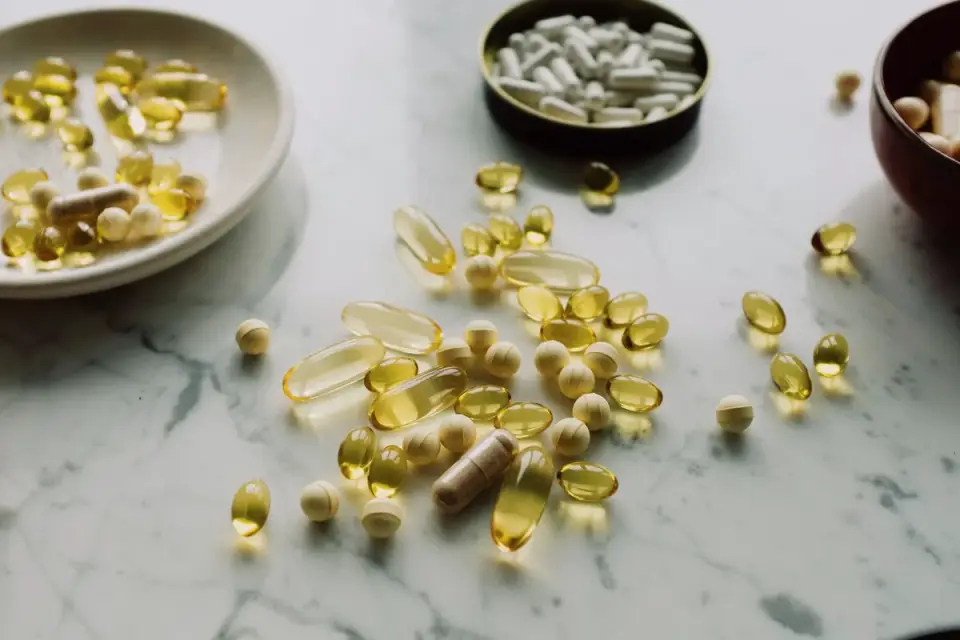
Because NAD+ itself breaks down too quickly to give as a supplement, formulas instead supply a precursor the body can convert into NAD+ through its own salvage pathway. Nicotinamide Riboside (NR) is the precursor with the most consistent safety and bioavailability data behind it, which is why it shows up in most dog-facing NAD+ products rather than the newer nicotinamide mononucleotide (NMN).
The dog-specific evidence, read plainly
The most credible published data point in this category isn’t a standalone NR product — it’s a randomized, controlled trial testing a combined senolytic and NAD+ precursor compound in dogs with mild to moderate cognitive impairment, published in Scientific Reports. Owners reported measurable improvement in cognitive signs over the trial period. That’s a genuinely useful data point, but it describes one specific combination product tested for cognition, not a blanket finding about every NAD+ chew on a shelf.
Outside that trial, most of what supports NAD+ precursors in dogs is extrapolated from human and rodent research on energy metabolism and inflammation. Extrapolation isn’t invalid — mammalian cell biology overlaps heavily — but it’s a lower evidentiary bar than a trial run in the actual patient population, and label copy that blurs the two deserves a second look.
Where quercetin and resveratrol fit in
Many NAD+ formulas pair the precursor with quercetin and resveratrol, both flavonoid antioxidants marketed for cellular and vascular support. The research on both compounds is real but uneven. A study in Pharmaceuticals found that quercetin, at the concentrations tested, did not affect the feeding behavior of the worms used as the model organism — a small but telling detail, since it means the compound wasn’t simply toxic or aversive at that dose, which matters when interpreting downstream longevity findings from the same model. Resveratrol research shows a similar pattern of promise with caveats: a study in Phytomedicine found that embryonic exposure to a related resveratrol compound accelerated pupation and adult emergence but shortened adult lifespan in the model species tested — a reminder that dose and timing change outcomes, and that antioxidant status isn’t automatically synonymous with safe at any level. None of this data was generated in dogs, so it should inform curiosity, not confidence.
A single short paragraph is worth pausing on here: dose matters more than ingredient count.
Reading a label like it’s an exam finding, not an ad
Before buying anything in this category, check for a legible milligram dose per serving — not just an ingredient list — and confirm the company discloses batch testing. The National Animal Supplement Council (NASC) quality seal is a reasonable floor: it requires a third-party facility audit, an adverse-event reporting system, and label-claim verification, though it’s worth being precise about what it does and doesn’t confirm. It certifies manufacturing process and label accuracy, not that the formula produces a clinical benefit in your particular dog. Those are two different promises, and only one of them is backed by an independent audit.
This is the same due-diligence lens worth applying across the supplement aisle, whether you’re comparing joint formulas or reading ingredient panels on a human-grade probiotic blend — dose transparency and third-party verification tell you more than the front-of-bottle claims do.
Safety, dosing, and when to call your vet
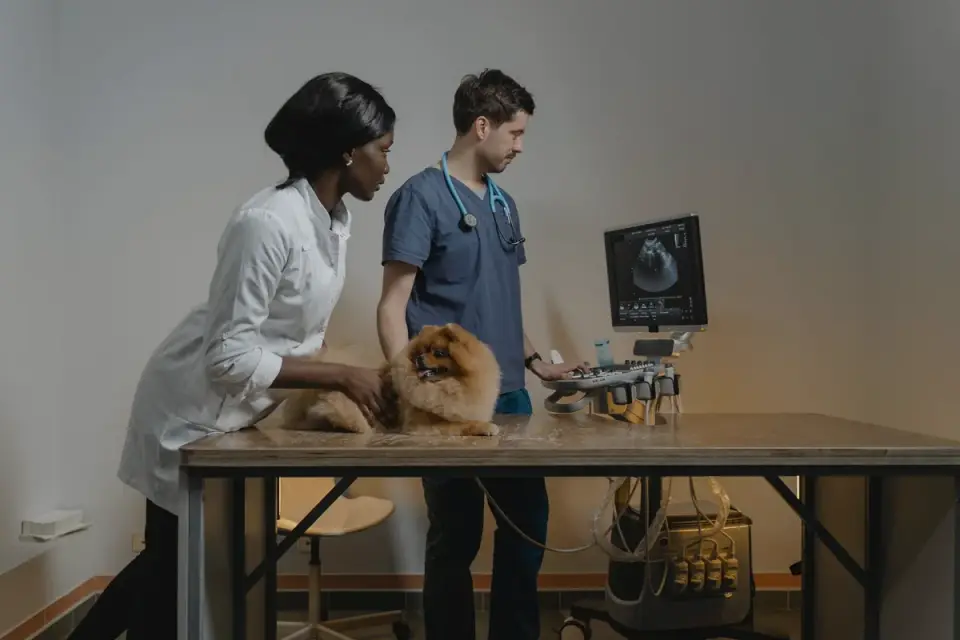
Nicotinamide riboside is generally well tolerated in dogs at studied doses, with mild digestive upset the most commonly reported side effect. Quercetin and resveratrol carry similarly mild safety profiles in the doses used in commercial pet formulas, though neither has been studied extensively for long-term use in dogs with kidney or liver disease. Dogs on other medications — particularly anything metabolized through the liver — should start any new supplement only after a conversation with their veterinarian, since precursor and antioxidant compounds can theoretically interact with drug metabolism even when direct evidence is limited.
Bottom line: the NAD+ category rests on legitimate cell biology and one solid dog trial for a combination product, surrounded by a much larger body of human and model-organism research that hasn’t yet been repeated in dogs at scale. May help support normal cellular energy and healthy aging in an otherwise healthy senior dog — that’s a fair, defensible claim. Anything stronger than that is running ahead of the data, and it’s worth asking your vet before adding one more chew to Otis’s routine.
Frequently asked questions
Is a NAD+ supplement the same thing as nicotinamide riboside?
Not exactly. NAD+ itself is too unstable to supplement directly, so most products deliver a precursor — usually nicotinamide riboside (NR) — that the body converts into NAD+ through normal metabolic pathways.
Do NAD+ supplements reverse aging in dogs?
No responsible source claims that. The honest framing is that NAD+ precursors support normal cellular energy production; they are not a documented treatment for any disease, and no supplement reverses aging.
How do I know a NAD+ chew is manufactured responsibly?
Look for the National Animal Supplement Council seal, a legible per-chew dose, and a company willing to share batch testing — the same due diligence you'd apply to any joint or probiotic product.
Sources
- NASC Quality Seal — National Animal Supplement Council (NASC)
- A randomized, controlled clinical trial demonstrates improved owner-assessed cognitive function in senior dogs receiving a senolytic and NAD+ precursor combination — Scientific Reports
- Quercetin feeding behavior study — Pharmaceuticals
- Resveratrol embryonic exposure study — Phytomedicine