Do Vets Recommend NAD+ Supplements for Dogs? What the Evidence Actually Supports
Medically reviewed by Bradley Harris, DVM, DACVECC, DACVIM (Cardiology) — For general education — not a substitute for veterinary care.
Most vets recommend NAD+ supplements only as an adjunct once real trial data and label transparency check out.
On this page
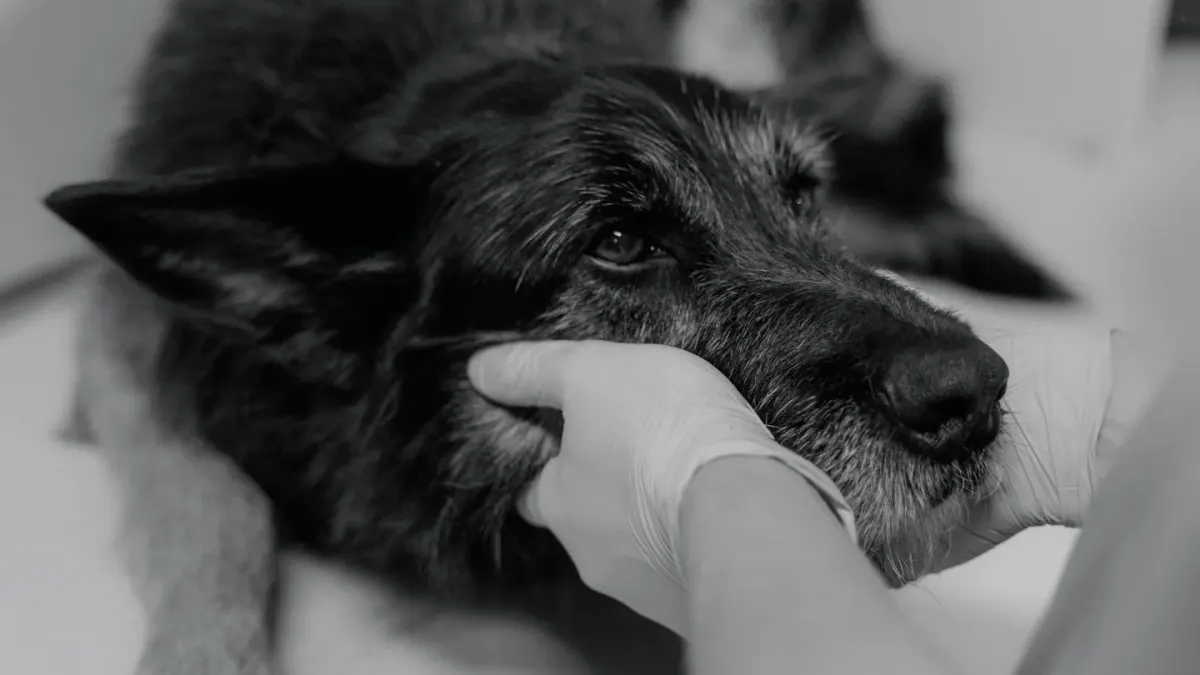
Wren is a twelve-year-old goldendoodle whose owner brought a bottle of NAD+ chews to a recheck appointment, not because Wren was sick, but because a friend’s dog seemed “more like herself” after a few months on them. The question behind that bottle is the one this piece is built around: do vets actually recommend these things, or are we watching a human longevity trend get relabeled for the dog aisle?
What counts as a vet actually recommending something
A recommendation from a cardiologist’s chair looks different from a marketing claim. When I anchor a recommendation to evidence, I want three things in order: a plausible mechanism, a controlled trial in the actual species, and a label that matches the dose used in that trial. NAD+ precursors clear the first bar easily. Every cell in a dog’s body depends on nicotinamide adenine dinucleotide to run redox reactions and support mitochondrial energy production, and niacin-derived compounds are how the body makes it, according to NIH Office of Dietary Supplements. That’s biochemistry, not marketing. Whether a chewable dose measurably changes an aging dog’s day-to-day function is a separate, harder question, and it’s the one most product pages skip.
The trial everyone in this conversation cites
There is one study doing most of the heavy lifting behind the current NAD+-for-dogs enthusiasm. A randomized, controlled trial enrolled senior dogs with mild to moderate cognitive impairment and compared placebo against low- and full-dose combinations of a senolytic and an NAD+ precursor, published in Scientific Reports. The full-dose group showed a significant improvement in a validated cognitive dysfunction rating scale relative to baseline. That’s a real, published, peer-reviewed result, and it’s worth taking seriously. It is not, though, a blanket endorsement of every NAD+ chew on a shelf. The trial tested one proprietary combination at specific doses over a defined period, and a different product with a different formula and dose is a different question entirely, even if it shares an ingredient category.
That distinction is the whole job. Supporting cellular energy metabolism is not the same claim as treating cognitive dysfunction syndrome, and a careful reading of the trial keeps those two ideas separated even where the marketing around similar products doesn’t.
What to check on a label before your vet will take it seriously
Order matters here, so start with dose, not brand name.
- A stated milligram amount of the actual precursor per serving — not just “NAD+ complex” on the front of the bag.
- Third-party quality certification. The NASC quality seal signals a facility audit and label-accuracy testing, which is the closest thing this category has to independent oversight since the FDA doesn’t pre-approve supplements.
- A willingness to share a certificate of analysis. If a company won’t produce one on request, treat that as a real gap, not a technicality.
- Species-appropriate framing. A precursor dosed for a 150-pound human study doesn’t automatically scale down cleanly for a 15-pound terrier; look for products that disclose dog-specific dosing logic.
The same checklist applies whether you’re comparing an NAD+ chew or a joint supplement or a probiotic blend — dose transparency and third-party testing are the two levers that separate a defensible product from a hopeful one.
Where the caution comes in
Here’s the short version: promising early data, applied narrowly.
Senior dogs, especially those with underlying cardiac disease, are exactly the population where I want a supplement conversation to happen alongside an exam, not instead of one. A dog that’s slowing down could be dealing with early myocardial dysfunction, orthopedic pain, or cognitive decline, and those three things get worked up and managed very differently. An NAD+ chew doesn’t triage that. It also doesn’t carry the same preload or coagulation considerations that a genuine cardiac medication would, which is reassuring from a safety standpoint, but it also means the supplement isn’t doing any of the diagnostic or therapeutic work a real workup does.
When to loop in your veterinarian
Bring the bottle to the appointment the way Wren’s owner did. Ask what’s actually in it, at what dose, and whether that dose resembles anything studied. If your dog has a diagnosed heart condition, is on other medications, or has had recent bloodwork changes, that conversation should happen before the first chew, not after. For a healthy senior with no red flags, a well-tested NAD+ supplement chosen against the checklist above is a reasonable, low-risk thing to discuss at a routine visit — just don’t expect it to replace the visit itself.
Frequently asked questions
Do vets recommend NAD+ supplements for dogs?
Some do, cautiously, usually for senior dogs with mild cognitive or mobility changes, and almost always framed as an adjunct to a diagnosed care plan rather than a stand-alone fix.
Is there real research behind NAD+ supplements for dogs?
Yes. A randomized, controlled trial published in Scientific Reports found improved owner-assessed cognitive scores in senior dogs given a senolytic plus NAD+ precursor combination, though it studied a specific proprietary formula, not the category broadly.
What should I check on a label before giving my dog an NAD+ chew?
Look for a stated milligram dose of the actual precursor per serving, a NASC quality seal or equivalent third-party audit, and a manufacturer willing to share a certificate of analysis on request.
Are NAD+ supplements a substitute for veterinary care?
No. They support normal cellular function; they don't diagnose or treat heart disease, cognitive dysfunction syndrome, or any other condition, and a dog with new symptoms still needs an exam first.
Sources
- A randomized, controlled clinical trial demonstrates improved owner-assessed cognitive function in senior dogs receiving a senolytic and NAD+ precursor combination — Scientific Reports
- Niacin — Health Professional Fact Sheet — NIH Office of Dietary Supplements
- National Animal Supplement Council — NASC