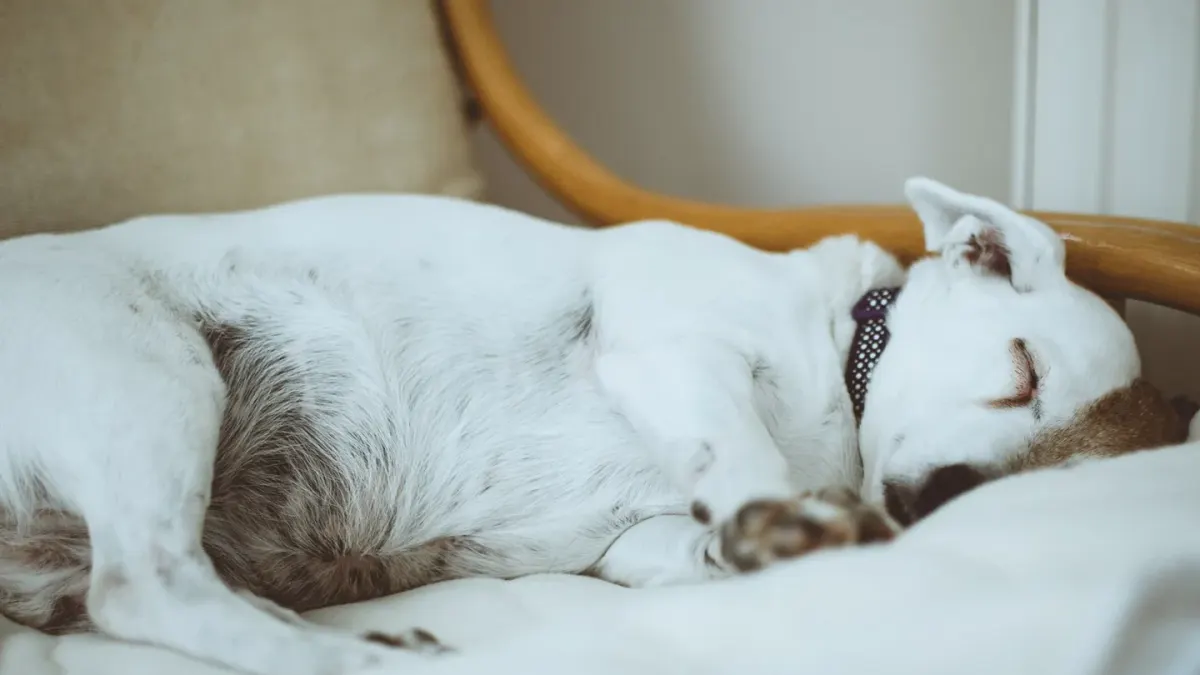
The boxes are stacked to the ceiling, the front door keeps swinging open for movers, and the 6-year-old 48-pound Lab mix who is usually steady won’t lie down. She paces from window to door, pants when the tape gun squeals, then follows you room to room like she lost her job. That restlessness is the decision to make concrete: do you unpack first, or do you rebuild her day first. From a rehab frame, I prioritize the second. Gentle movement helps maintain comfort and mobility when stress makes dogs stiff and guarded, and a familiar walk does more to settle the nervous system than another hour of arranging furniture.
My verdict is simple: keep the dog’s body on its old schedule while the house changes around it.
Your move-week checklist
- Keep feeding, walks, and bedtime on old-home times for the first two weeks
- Set up one dog room first, with the unwashed bed, bowls, and a worn T-shirt
- Walk the new block morning and evening for sniffing, not mileage
- Use short, easy movement sessions to loosen a tense body
- Keep departures boring and returns calm for the first 10 days
- Track appetite, stool, sleep, and pacing — call your vet if they slide past day 3
That list looks plain, yet it addresses what actually unravels in a move: predictability, scent, and physical ease.
Dogs map safety through repetition. Same door routine, same feeding corner, same evening loop. When all three vanish at once, many dogs hold tension through the neck, shoulders, and hind end. They stand instead of settling, shift weight, sigh and reposition. Easy leash walking, slow turns, gentle weight shifts on grass, and a few minutes of sniffing help maintain relaxed movement without pushing an already tired dog.

Rebuild the old day inside the new walls
Start before the truck arrives. Pack a dog bag last so it comes off first: food, two days of water from home if your dog has a sensitive gut, leash, long line, chews, bed, and a blanket that still smells like the old couch. Set up one room with a closed door and white noise while movers work. That room is home base for three weeks in for many dogs, not just moving day.
Then walk. Not a hard run to tire her out, but a 15-minute decompression walk where she chooses the sniff spots. Slow movement supports joint comfort and gives an anxious brain a job. Keep the route nearly identical for the first week. Same left turn, same grass patch, same return. Owners often want novelty; dogs settle on repetition.
In the evening, keep expectations realistic. Appetite may dip, sleep may break, and a housetrained dog may have one accident near a new door. That does not mean the plan failed. It means the learning curve is still steep.
A 9-year-old 22-pound beagle taught me the tradeoff here. His owners did everything right on paper for by day 10: new orthopedic bed, puzzle feeders, calming music, extra yard time. But they retired his old, flattened bed because it looked shabby, and they changed his walk from 6 a.m. to whenever unpacking allowed. He began whining at 3 a.m. and refusing the new bed, standing in the hallway where the old bedroom door used to be. We brought the old bed back, locked the walk to 6 a.m. again, and added five minutes of slow hallway walking with turns and stops before breakfast. He chose the old bed within two nights. The failed approach was upgrading comfort before preserving familiarity.
What calming ingredients can honestly offer
Supplements do not teach a new floor plan, and I reject using them to replace routine, movement, and safe confinement. Still, some owners ask about them for the transition week, so here is an evidence-bounded read.
Ashwagandha has human data worth knowing. Cureus published the synthesis I point colleagues to: “A systematic review analyzed multiple RCTs and concluded that ashwagandha has a moderate positive impact on stress reduction and cognitive performance.” That is general evidence, not proof in dogs at a label dose.
Chamomile sits in a similar place. A review in Biomedicines notes the limit plainly: “For the remaining species, evidence is derived mainly from preclinical studies or traditional use.” Traditional use is interesting, but it helps maintain calm only in the softest sense.
L-theanine is often discussed for situational stress. The human literature is narrow, including “Molecular Psychiatry reporting “except for one study on psychotic anxiety (SMD = 0.54; 400 mg/day for 8 weeks)”. That detail matters because it keeps us from borrowing a human dose for a dog.
If you try any calming chew during a move, run it as a clean trial alongside the routine, not instead of it. Same dose window, same walk log, same bedtime notes.
Routine beats novelty every time.
For related situational stress, the layered approach I use for Dog Noise Anxiety: What Actually Helps When Your Dog Panics at Loud Sounds and How to Calm a Dog During Thunderstorms: The Layered Approach That Actually Holds Up applies here: control exposure, protect rest, and pair a predictable cue with settling. Owners wanting background on chews can read Do Calming Chews for Dogs Actually Work? A Vet Explains the Evidence and Dog Anxiety Supplements: What the Evidence Actually Supports.
The edge case that changes the plan
Three weeks in, a 4-year-old 65-pound shepherd mix was still panting at doors and chewing trim only when left alone, though she slept soundly when the owner worked from home. Nights were fine. Walks were loose and sniffy. The problem was not the house. It was separation in a new acoustic space where every departure echo sounded different. We shifted from whole-house freedom to one dog-proofed room, added a 10-minute pre-departure walk with slow sits and turns, left with a frozen chew and no farewell speech, and kept absences under 30 minutes for a week before building. Pacing dropped by day 5 of that reset. The move had unmasked a separation pattern that needed its own plan.
Watch for flags that need a vet call rather than more patience: no eating past 48 hours, diarrhea with lethargy, limping after stair or truck-jump strain, escalating destruction, or panic that risks injury. Older dogs with stiffness may need a rehab check if new floors make them slip or guard stairs.
Your next step is practical: tonight, put the old bed in the same orientation as the old house, leash up at the old time tomorrow, and walk the same loop.
Sources
- Systematic Review of Ashwagandha RCTs — Cureus
- Chamomile Evidence Review — Biomedicines
- L-Theanine Meta-Analysis Update — Molecular Psychiatry