Is Melatonin Safe for Puppies? What Veterinarians Actually Recommend
Medically reviewed by Jade Tenberg, DVM — For general education — not a substitute for veterinary care.
Melatonin is not considered reliably safe for puppies, since most veterinarians wait until a dog reaches sexual maturity.
On this page
The Question Every New Puppy Owner Eventually Asks
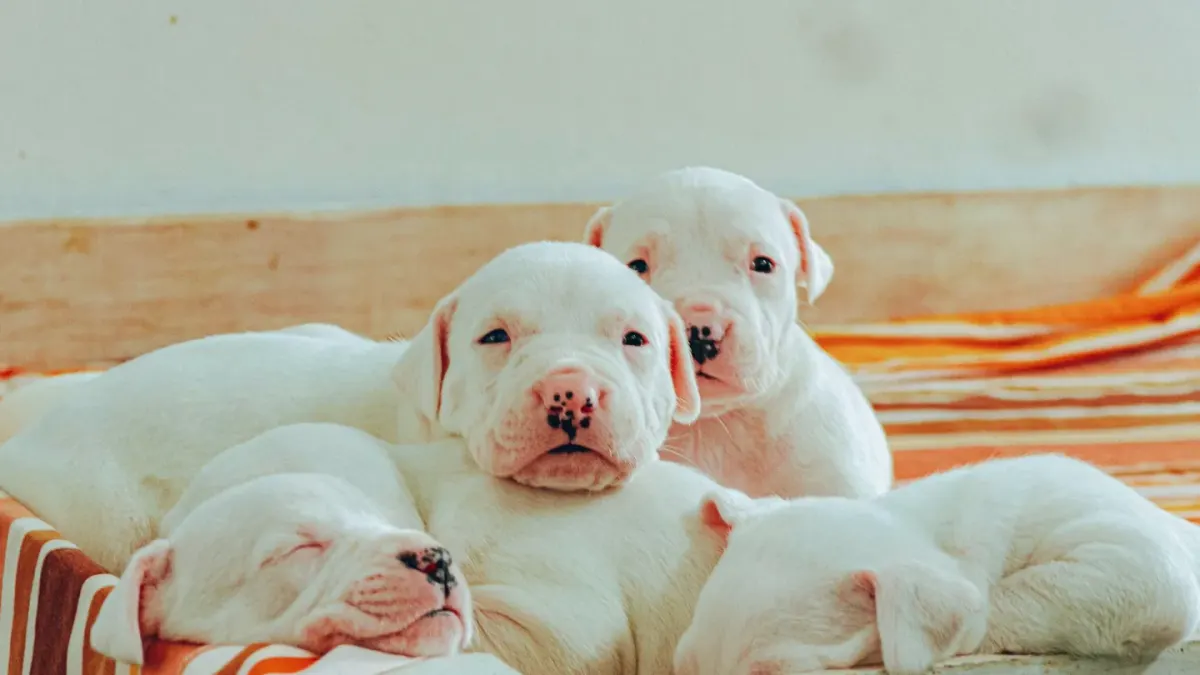
Imagine a nine-week-old cattle dog mix, three nights into a new home, crying every time the house goes dark. The owner has already tried a crate cover, a ticking clock wrapped in a towel, and a worn t-shirt from the litter. A friend suggests melatonin, the same bottle sitting on the kitchen counter for her own sleepless nights. It seems harmless enough. The dose math looks simple online. But a puppy’s body is not a small adult body, and that gap matters more here than most owners expect.
The short answer: melatonin is not considered reliably safe for puppies, and most veterinarians would rather wait. This is not a scare tactic, it is a hormonal one. Melatonin does not just make a dog drowsy. It moves through pathways tied to growth and reproductive timing, and a young, developing dog is exactly the body where that overlap carries the most weight. I would rather meet an anxious new owner where they are, with something gentler and better understood, than reach for a hormone-adjacent supplement on night three.
What Melatonin Actually Does Inside a Growing Dog’s Body
Melatonin is a hormone before it is a sleep aid. In adult dogs it is used off-label for anxiety, noise sensitivity, sleep-wake regulation, and certain skin conditions, and VCA Animal Hospitals lists it as generally well tolerated at appropriate doses, with sleepiness, weight gain, and changes in fertility as the possible adverse effects to watch for.
That last item is the one that matters most for a puppy. Fertility and hormonal changes are not an afterthought footnote, they are a direct description of what melatonin can touch. A grown dog’s reproductive system has already finished its major developmental work. A puppy’s has not.
Why Veterinarians Draw the Line at Sexual Maturity
Picture an eight-month-old golden retriever who has just gone through her first heat cycle, still jumpy around vacuum cleaners and thunderstorms, still very much a puppy in temperament even as her body has crossed into maturity. Her owner asks the vet whether melatonin is fair game now. The answer is usually yes, cautiously, because the hormonal groundwork that made melatonin risky earlier has largely settled. Contrast that with her littermate three states away, still four months out from that same milestone, still growing, still shaping the hormonal architecture that governs everything from bone growth to future fertility. Same breed, same age on paper, different answer.
That is the crux of it. Sexual maturity, not birthday, is the marker most veterinarians use before melatonin becomes a reasonable option. There is no universal age for it. A toy breed may reach that point well before a year old; a giant breed may still be developing well past it. This is one of the few supplement questions where I genuinely think a phone call to your vet, describing your puppy’s breed, size, and current stage, beats any dosing chart you will find online.
The Xylitol Trap Hiding in Human Melatonin Products
The bottle in most medicine cabinets was formulated for people, not dogs, and that distinction carries a real risk beyond the hormone question. ASPCApro notes that melatonin exposure on its own typically causes mild effects such as vomiting, sedation, and ataxia, with severe complications uncommon. The real danger is what often rides along with it: many melatonin sleep aids are combination formulations that include xylitol, an artificial sweetener that is genuinely dangerous to dogs regardless of age or hormonal status, capable of causing severe drops in blood sugar and, in significant exposures, liver injury.
A puppy small enough to be nervous about the dark is also small enough that a single mis-dosed gummy is a much bigger fraction of body weight than it would be for a sixty-pound adult. If melatonin is ever part of the plan, it belongs in the form your vet specifies, not whatever is already open on the nightstand.
If Not Melatonin, What Helps an Anxious Puppy Settle
This is where I want to slow down, because the goal was never melatonin specifically, it was comfort. A puppy who cannot settle at night is telling you something real, and there are gentler places to start while you wait for maturity or a vet’s go-ahead.
Chamomile has a long history in traditional herbal care for supporting relaxation, though a recent review in Biomedicines is candid that, for most species, the evidence behind it comes mainly from preclinical studies or traditional use rather than large controlled trials. Ashwagandha has firmer human data behind it: a systematic review in Cureus concluded that it has a moderate positive impact on stress reduction and cognitive performance across multiple randomized trials, though that research is not puppy-specific. L-theanine shows a similar pattern; a review in Molecular Psychiatry points to real but narrow human evidence, including one study on psychotic anxiety at 400 mg per day for eight weeks, which underscores that even well-studied calming compounds have doses and populations they were actually tested in. None of these ingredients erase the need for good sleep habits, a predictable bedtime routine, or a vet conversation before anything goes in a puppy’s bowl. For a broader look at how these ingredients compare across products, our team scored several formulas in Best Calming Supplement for Dogs, and owners dealing specifically with storm anxiety may find My Dog Is Anxious During Thunderstorms useful once their dog is old enough for that conversation to apply.
When Melatonin Does Make Sense
By the time a dog has reached sexual maturity and a vet has ruled out other causes of restlessness, melatonin moves from a question mark to a reasonable, low-key tool for sleep and situational anxiety. That is worth remembering, because the goal here was never to villainize melatonin. It was to protect a body that is still being built.
So where does that leave the cattle dog mix crying on night three? Probably with a warm crate, a consistent routine, and a call to the vet before anything from the medicine cabinet enters the picture. What would you want to know before giving your own puppy something meant for an adult body?
Frequently asked questions
At what age is melatonin considered safer for a dog?
There is no single cutoff, since maturity varies by breed and size. Veterinarians generally look for a dog to have reached sexual maturity before recommending melatonin, which for many breeds falls somewhere between six months and a year or more.
What happens if a puppy accidentally eats a melatonin gummy?
Watch for sedation, vomiting, or an upset stomach, and check the label for xylitol immediately. If xylitol is listed, treat it as an emergency and call your vet or the ASPCA Animal Poison Control Center right away.
Are there calming options that are considered lower-risk for young dogs?
Ingredients like chamomile and L-theanine have a longer history of general use and a different risk profile, though puppy-specific dosing data is still limited. A vet visit is still the right first step before adding anything.
Sources
- Melatonin — VCA Animal Hospitals
- The Most Common Sleep Aid Toxicities in Cats and Dogs — ASPCApro
- Botanicals for Anxiety and Stress: A Narrative Review — Biomedicines
- Ashwagandha for Stress and Cognitive Performance: A Systematic Review — Cureus
- L-Theanine and Anxiety Outcomes: A Systematic Review — Molecular Psychiatry