
On this page
It was 11 p.m. when the message came through — a 4-year-old beagle mix, 28 pounds, had vomited three times after stealing table scraps, then looked sheepishly at an empty bowl and asked for more. Her owner wanted to know whether to feed rice and chicken right away, start a probiotic that night, or wait until morning. That question is the whole decision in miniature: after vomiting, timing matters more than any single ingredient, and calm sequencing beats rushing to fix the gut.
My verdict is simple and food-first. Withhold food briefly, then offer small bland meals for 24 to 48 hours, and consider a probiotic only once food stays down. That order may help support a steadier return to normal feeding without overloading a sensitive stomach.
My verdict: rest, then bland food, then consider probiotics
I land here because vomiting is a sign, not a diagnosis. The stomach needs time to settle, and food therapy works best when meals are plain, warm, low-fat, and small. Needle-based care aside, this is the same principle I use in practice: settle the system first, then nourish it.
Probiotics have a supporting role after the acute event, not during active vomiting. As one review notes, JAVMA work shows that “EPI is treated by pancreatic enzyme replacement therapy, nutritional management (low-residue diets with moderate fat content), and supplementation of cobalamin.” That quote is about a different disease, but the principle holds — diet structure does heavy lifting, supplements do not replace it.
The strongest counterargument is that probiotics should start immediately to “rebalance” the gut. I understand the urge. But response varies between dogs, and recent canine work found that “Diversity metrics did not distinguish non-responders from responders” in a study reported in Frontiers in Veterinary Science. Translation: you cannot predict who benefits from a label alone.
Expectation-setting matters here.
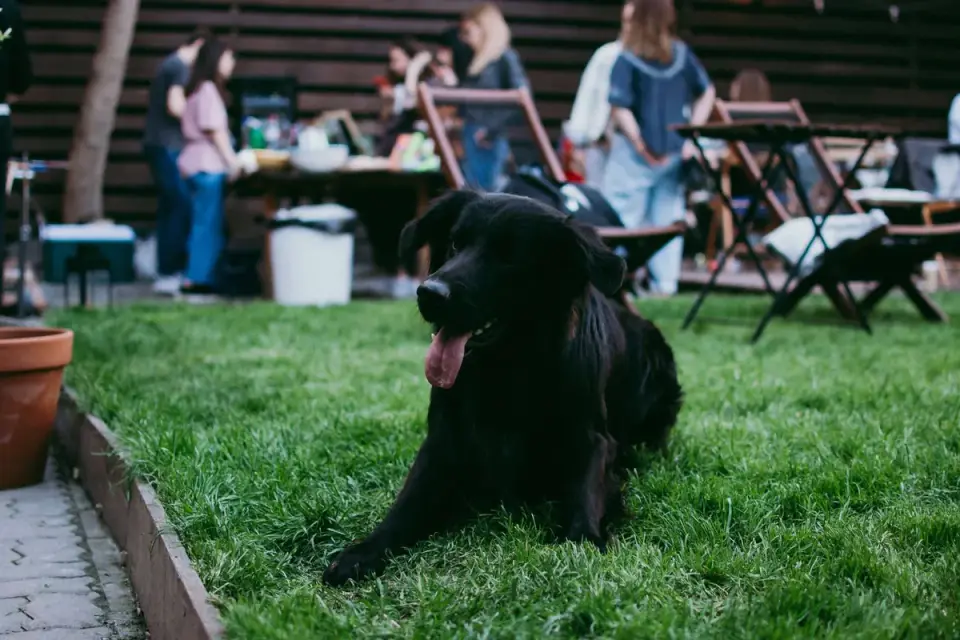
How I sequence food after a vomiting episode
For an otherwise bright adult dog with one or two episodes and no red flags, I usually recommend a short fast of 8 to 12 hours for adults — never prolonged fasting in puppies, seniors with weight loss, or diabetic dogs — with access to small sips of water. Then start a bland diet: plain boiled chicken breast or lean ground turkey with white rice or plain pumpkin-free white rice blend, no skin, no butter, no seasoning.
Feed about one-quarter to one-third of the normal daily volume, split into four to six mini-meals on day one. If that stays down for 12 to 24 hours, gradually increase volume and reduce frequency over two to three days, then transition back to regular food over another three to five days. If vomiting recurs, stop and call your veterinarian rather than adding more ingredients.
This is where my food-first bias is deliberate. A simple, low-residue pattern lets you see what the gut tolerates. Adding toppers, chews, oils, and powders too early muddies the picture.
For dogs that seem prone to gas or loose stool during transitions, my checklist in Dog Gas Remedy: The Checklist I Use Before Reaching for a Supplement walks through what I rule out before any supplement, and the overview in Best Probiotic for Dogs (2026): Our Top Pick, Scored Against the Field explains how strain transparency and fiber support factor into quality.
When a good plan went sideways
A 6-year-old French bulldog, 24 pounds, came to mind while writing this — by day 3 after a trash-related vomiting bout, his owner had done everything with good intentions and too much speed. She had offered chicken and rice, then added kibble back at full volume on the second morning because he acted hungry, plus two different chews, a spoonful of yogurt, and a probiotic powder all in the same day. By that evening he was vomiting foam again and refusing food, and she worried the probiotic had caused it. We stripped it back to water, rest, then tiny bland meals alone for 24 hours, and he steadied without an ER visit. The lesson was not that supportive products are bad; it was that stacking five changes at once leaves you with no way to know what helped and what irritated.
That same review cautions humility about gut recovery: “Future studies are needed to further understand the causes of persistent dysbiosis in animals with EPI following initiation of pancreatic enzyme replacement therapy and assess the efficacy of treatments to ameliorate these abnormalities.” Again via JAVMA. If dysbiosis after medical treatment is still incompletely understood, home probiotic use after simple vomiting deserves the same caution.
Keep the reintroduction boring on purpose.
The edge case that changes my advice
A 9-year-old terrier mix, 16 pounds, vomited twice in one week three weeks in, each time after eating, and his owner assumed bland food plus a probiotic would resolve it. What changed my plan was weight loss you could feel over the ribs and a yellowish tinge to one vomit episode, plus increased thirst that had crept in over a month. That pattern does not belong in a bland-diet-at-home lane — it needs labs, hydration assessment, and a look for pancreatitis, kidney disease, liver disease, obstruction risk, or medication effects. Older dogs dehydrate faster, puppies fade faster, and flat-faced breeds aspirate more easily, so age and breed shift my threshold for same-day care.
Seek prompt veterinary care for repeated vomiting in 24 hours, blood or coffee-ground material, abdominal pain or bloating, lethargy, no water intake, suspected foreign body or toxin, or vomiting in a puppy under 6 months. For context on what is medicine versus marketing when digestion stays off, I point owners to Digestive Enzymes for Dogs: When They’re Medicine and When They’re Just Marketing.
If your veterinarian clears home care, ask when — not whether — to reintroduce a probiotic, what product form your dog tolerates, and how long to trial it before judging response.
Frequently asked questions
Should I give a probiotic right after my dog vomits?
I wait until vomiting has stopped and small bland meals stay down for 12 to 24 hours, then discuss a probiotic with your veterinarian as support — not as a stop-vomiting remedy.
What is a bland diet for a dog after vomiting?
Usually plain boiled lean poultry with white rice in small, frequent meals for 1 to 2 days, then a gradual return to regular food over 3 to 5 days if signs resolve.
When should I skip home care and call the vet?
Call promptly for repeated vomiting, blood, pain, bloating, lethargy, dehydration, toxin or foreign-body risk, or any vomiting in very young, senior, or chronically ill dogs.
Sources
- Exocrine Pancreatic Insufficiency Review — JAVMA
- Canine Gut Microbiome Probiotic Response Study — Frontiers in Veterinary Science