
The hallway tells the story every morning in a house with a senior shepherd mix weighing 84 pounds and a young adult cattle-dog mix weighing 38 pounds. The older dog rises stiff, shifts weight off his left hip for several strides, then tracks straight once his gait warms. The younger dog spins, crouches, and launches off the back steps. The owner wants one jar, one routine, something both dogs will actually eat before work. That wish is the decision to get right: gait and load are opposite across those two bodies, and a single chew must fit comfort for one without oversupplying a still-developing athlete.
My verdict for most multi-dog homes: choose one well-labeled glucosamine-plus-chondroitin chew with weight-range dosing, then individualize by pounds and movement — not by buying a different formula for every dog. I defend that position because load decides tolerance, and clear dosing lets owners match intake to the dog in front of them. The alternative — separate boutique formulas per dog — wins when therapeutic needs truly diverge, such as a painful senior under veterinary care alongside a healthy adolescent. It stops winning when the counter fills with half-used bags and no one knows what each dog actually received.
Buy one jar with this checklist
- Weight-range dosing on the label: look for a chart by pounds, with a loading and maintenance amount, not one chew for all dogs.
- Joint ingredients with a stated amount per chew: glucosamine and chondroitin are among the most familiar supports, but only a milligram amount lets you dose by weight.
- Calories and chew size that fit the smallest dog: a large soft chew may oversupply energy for a small companion when given daily.
- Palatability you can sustain: acceptance across temperaments matters more than flavor marketing.
- Quality signals: National Animal Supplement Council seal, lot number, and a company contact for questions.
- Veterinary fit: arthritic gait, lameness, medication use, and growth stage should shape the plan, alongside acupuncture, Tui-na, chiropractic, food therapy, and rehab exercise where appropriate.
Load decides everything.
Gait tells me where load lands. An older dog with shortened hind-limb stride, slow rise-from-rest, reluctance on stairs, or sway through turns is shifting force forward to the shoulders and neck. A young athlete with open hips and quick recovery loads joints briefly and symmetrically. Supplements may help support joint comfort and mobility in that context, never fix structure or replace diagnosis. For background on stiffness patterns owners often miss, VCA Hospitals describes reluctance to move, lagging on walks, and difficulty rising in dogs with arthritis.
How load changes the math for each dog
Start with pounds, then adjust by movement. A single formula works when the label states milligrams per chew and gives a sliding scale. Weigh each dog, write the daily chew count on the jar with a marker, and feed chews by hand or on separate mats — never from a shared bowl. Watch the first two weeks for stool change, itch, or food refusal, especially in sensitive small dogs.
Ingredient transparency matters more in a mixed house than ingredient novelty. Glucosamine and chondroitin are among the most studied joint support ingredients for dogs, and chondroitin is described in recent work as an agent that “supports healthy synovial fluid homeostasis” in Frontiers in Veterinary Science in the paper Protective effects of turmerosaccharides rich extract of Curcuma longa L. in osteoarthritic dogs (2026). For a plain-language overview of how those ingredients are discussed, the NIH Office of Dietary Supplements maintains a glucosamine and chondroitin fact sheet. Green-lipped mussel, MSM, and omega-3s may help support comfort as part of a whole-patient plan, but do not chase every add-on when the base dose is unclear.
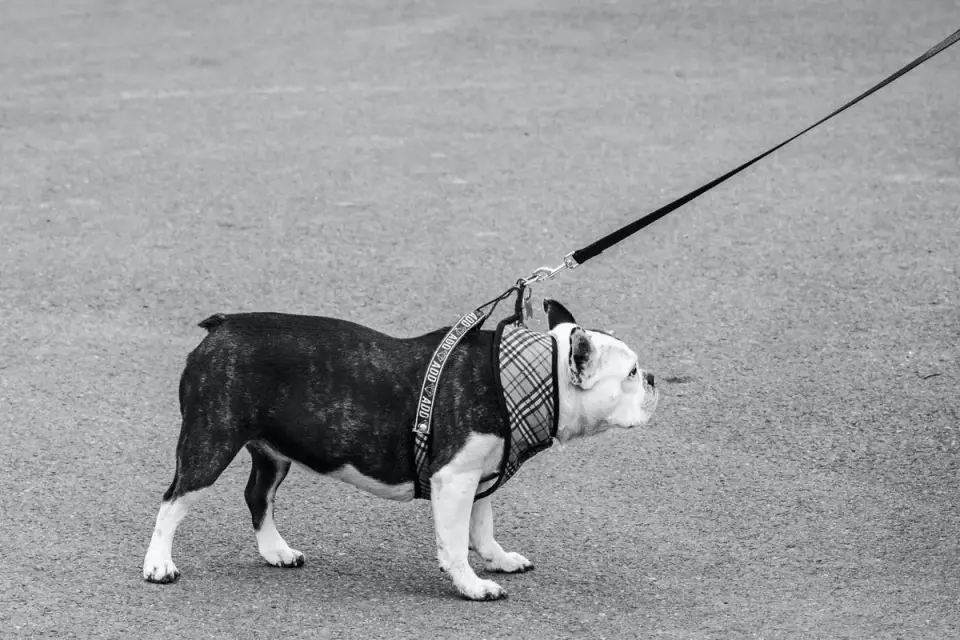
A lanky herding mix in another multi-dog home showed why guesswork fails. The owner bought separate chews for the seniors and the adolescent, then tossed extras across bowls whenever someone left crumbs. Nothing was measured by weight, nothing tracked by gait, and comfort never had a chance to show. On the neighborhood loop the stiff senior still lagged at the 0.6-mile mark, hips swaying and head bobbing through the left turn, while the adolescent traded pep for loose stools that woke the owner overnight. The bin held several half-empty bags and no answers.
That tradeoff is common: variety feels caring, but untracked intake hides both response and intolerance. A better test is narrow and observable. Pick one chew, dose by weight, and track three markers for each dog: time to rise from a down, willingness on the first stairs of the day, and distance before gait shortens. When owners need help naming what they see, How Do Vets Diagnose Arthritis in Dogs? A Step-by-Step Look at the Exam walks through the exam logic I use, and How to Help an Old Dog With Stiff Joints lays out home supports that pair with any supplement.
When one formula is not enough
Concede the limit plainly. A painful senior with persistent lameness, night restlessness, or muscle loss needs veterinary assessment, weight optimization, controlled leash walks, footing changes, and often prescription care layered with acupuncture, Tui-na, chiropractic, or structured rehab. A growing large-breed puppy needs growth-appropriate nutrition and no excess calcium or calories from treats. In those cases, separate plans beat one jar.
Then there is the house with several small rescues spanning puppyhood to late senior, where the usual one-jar advice has to bend. The owner started a single joint chew after the February 10 wellness visit, when the veterinarian flagged early hind-limb stiffness in the oldest dog and cleared the others for maintenance. Instead of free-feeding chews from a shared bowl, she fed by individual body weight on a mat, watched rise-from-rest and stair effort each evening, and kept food therapy and short leash walks as the base. The plan stayed flexible because load differs that much under one roof.
Keep comparisons ingredient by ingredient. Glucosamine vs. Green-Lipped Mussel for Dog Joints: What Each One Actually Does explains why those two are not interchangeable, and Dog Hip and Joint Supplement: What the Ingredients Can (and Can’t) Do sets realistic bounds. Reassess each season as gait, weight, and training load shift, and keep your veterinarian in the loop before stacking multiple joint products.
Frequently asked questions
Can multiple dogs share the same joint chew?
Often yes, when the label gives milligrams per chew and dosing by pounds. Feed each dog its own measured amount by hand or on a mat, and track rise-from-rest, stairs, and walk distance for each dog separately.
How do I dose one product for a large and a small dog?
Use current body weight and the label chart, not one chew per bowl. Write each dog's daily count on the jar and reassess if weight, gait, or activity changes.
When should I not use one formula for all dogs?
Seek veterinary guidance first for persistent lameness, severe stiffness, growing large-breed puppies, or dogs taking prescription joint or anti-inflammatory drugs. Those dogs may need an individualized plan.
Sources
- Protective effects of turmerosaccharides rich extract of Curcuma longa L. in osteoarthritic dogs — Frontiers in Veterinary Science
- Arthritis in Dogs — VCA Hospitals