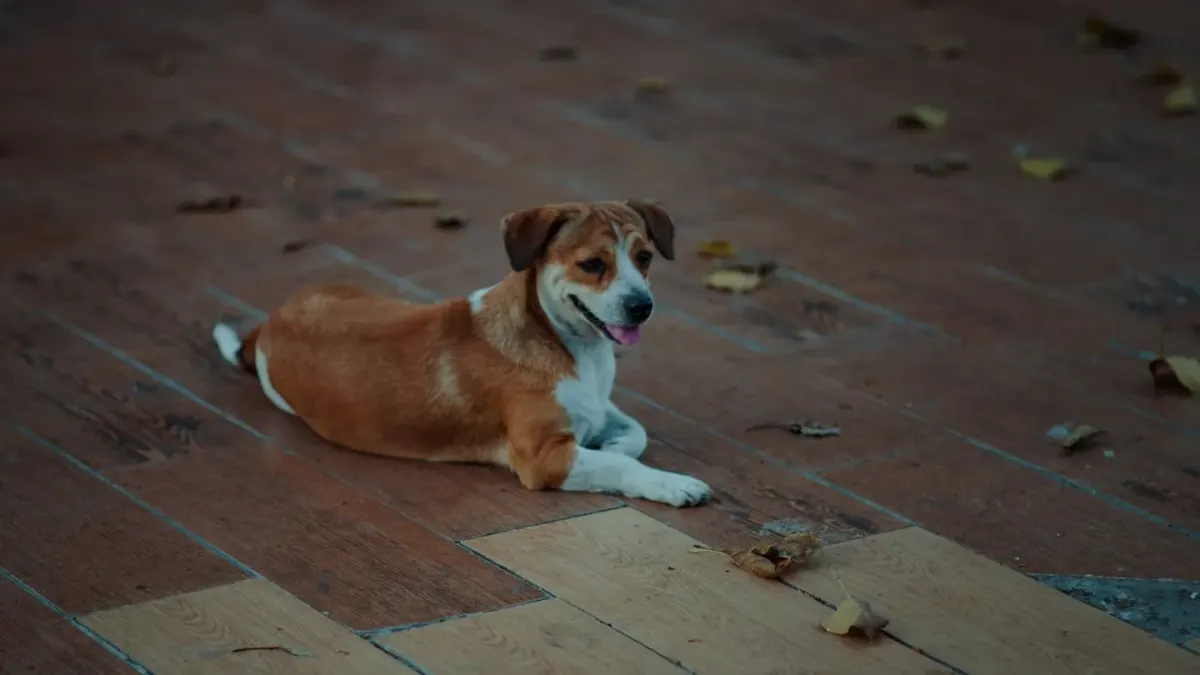
Mara stands at her front door at 7 a.m. with a leash in one hand and a joint chew in the other, while her 9-year-old, 72-pound Labrador, Gus, stiffly pushes up from his bed. The first three steps are choppy, then he loosens into his familiar amble down the driveway. Mara wonders if she should give that chew now, like a pre-workout, to cushion his hips for the loop ahead, or save it for after when he flops on the kitchen rug. It is a small daily decision that feels larger because she wants those morning walks to stay easy.
My verdict is direct: give the daily joint chew after the walk. Joint ingredients such as glucosamine and chondroitin are thought to work through steady daily intake and cartilage and synovial support over time, not through acute pre-exercise dosing. I reach for both the imaging study and the acupuncture needle here, meaning I want consistent nutritional support for joint tissues plus careful observation of gait, posture, and recovery.
The strongest counterargument is understandable. Owners reason that dosing before activity should put support into the joint when load is highest. That logic fits pain medication, which is timed for effect, but it does not fit how these nutritional ingredients are thought to work. One review noted that glucosamine may help support joint tissues because it was found to “prevent experimentally induced cartilage degradation in vitro,” as reported in the Journal of Veterinary Medical Science. That is laboratory-level mechanism, not a same-morning shield.
Before the leash goes on: what the walk tells you
Leave the chew in the jar until you return, and use the outbound minutes as your exam. Watch how your dog rises, how long the warm-up shuffle lasts, whether one hind leg short-steps on turns, and whether sniffing breaks look comfortable or guarded. From a neurology view, that pre-exercise stiffness pattern tells me about joint comfort and neuromuscular warm-up. From an integrative view, morning stagnation that eases with gentle movement is exactly what careful TCVM food therapy and movement aim to support over weeks.
After wins.
I tried the other order once with a very different dog, a 5-year-old, 48-pound border collie mix who lived for fetch before breakfast. Her owner started tossing the joint chew like a treat at the trailhead for three weeks in, hoping to head off the post-fetch soreness she showed by evening. What changed was not smoother running but rushed chewing, grass eating, and one vomited breakfast on a warm day. The failed approach clarified the tradeoff: pre-walk dosing adds excitement, panting, and a full stomach to exercise, while doing little for tissue-level support that day. We moved the chew to post-walk rest, split breakfast in half, and her evenings looked more settled.
After the walk: digestion, routine, and real tracking
Dogs digest and settle best when they are cooling down, not gearing up. Giving the chew after the walk lets you pair it with water, a small meal, and quiet rest, which supports consistent daily use. Consistency is what matters for ingredients studied for joint support. Chondroitin, for example, is described in recent work as an ingredient that “supports healthy synovial fluid homeostasis,” as reported in Frontiers in Veterinary Science. Synovial fluid is thought to help cushion and nourish cartilage during normal movement, and that kind of homeostasis is built by routine, not timing tricks.
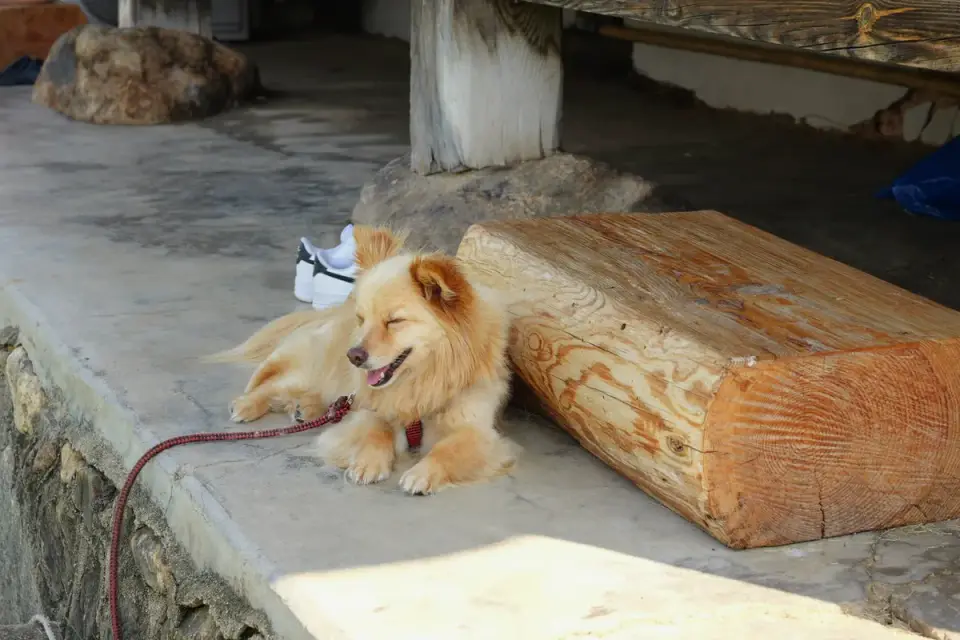
This is also when your observation means the most. Note recovery time, licking at a carpus or stifle, reluctance to climb the porch step, or that deep sigh when lying down. If you want context on what steady support can and cannot change, read How to Help an Old Dog With Stiff Joints and Dog Hip and Joint Supplement: What the Ingredients Can (and Can’t) Do. For new limping or worsening stiffness, use How Do Vets Diagnose Arthritis in Dogs? A Step-by-Step Look at the Exam before changing anything else.
The edge case came with a 13-year-old, 18-pound terrier who coughed when excited and skipped meals when tired. By day 10 on a new after-dinner chew routine, his owner noticed he would nose the chew aside and walk away, then beg at midnight. Pre-walk was worse because panting made him swallow air. What finally worked was neither classic before nor after: a short potty stroll, then rest for twenty minutes, then half his dinner with the chew crumbled over it, then the longer morning walk later. For dogs with delicate appetites, reflux, or dental pain, the application shifts from walk timing to meal timing and chew texture.
Green-lipped mussel offers another useful lens on mechanism over moment. It contains omega-3 fatty acids and glycosaminoglycans studied for joint support, and in a rodent model researchers found that mussel and krill oils “alleviated paw swelling in rats and reduced serum levels of rheumatoid factor (RF), anti-cyclic citrullinated peptide (anti-CCP) antibody, and pro-inflammatory cytokines such as TNF-α and IL-17,” as reported in Nutrients. That does not translate directly to dogs on a walk, and I do not use it to promise less soreness. I use it to stay anchored to how a modality is thought to work rather than what it might cure.
So keep the ritual simple: walk, water, cool-down, then the chew with food at the same time daily. Track rise time, warm-up steps, and evening comfort in a notebook for two weeks. If stiffness lasts longer into the walk, if play shortens, or if night restlessness grows, bring those notes to your veterinarian. To compare ingredient roles without hype, see Glucosamine vs. Green-Lipped Mussel for Dog Joints: What Each One Actually Does.
Your next step is practical: move tomorrow’s chew to the post-walk mat and watch recovery, not just the start.
Frequently asked questions
Should you give a dog's joint chew before or after a walk?
After, for most dogs. Joint chews work through consistent daily use, and post-walk dosing avoids exercising on a full stomach while letting you watch recovery.
Will giving a joint chew before a walk help more with stiffness?
No evidence shows faster same-day comfort from pre-walk dosing. Warm up slowly, keep the pace even, and save the chew for cool-down with water or a small meal.
What if my dog will not eat the chew after exercise?
Offer water and a 15- to 20-minute rest first, then give the chew with part of a meal. If appetite, vomiting, diarrhea, or lameness persist, check with your veterinarian.
Sources
- Preventive effects of glucosamine on cartilage degradation in vitro — Journal of Veterinary Medical Science
- Chondroitin and synovial fluid homeostasis study — Frontiers in Veterinary Science
- Mussel and krill oil effects on paw swelling and cytokines in rats — Nutrients