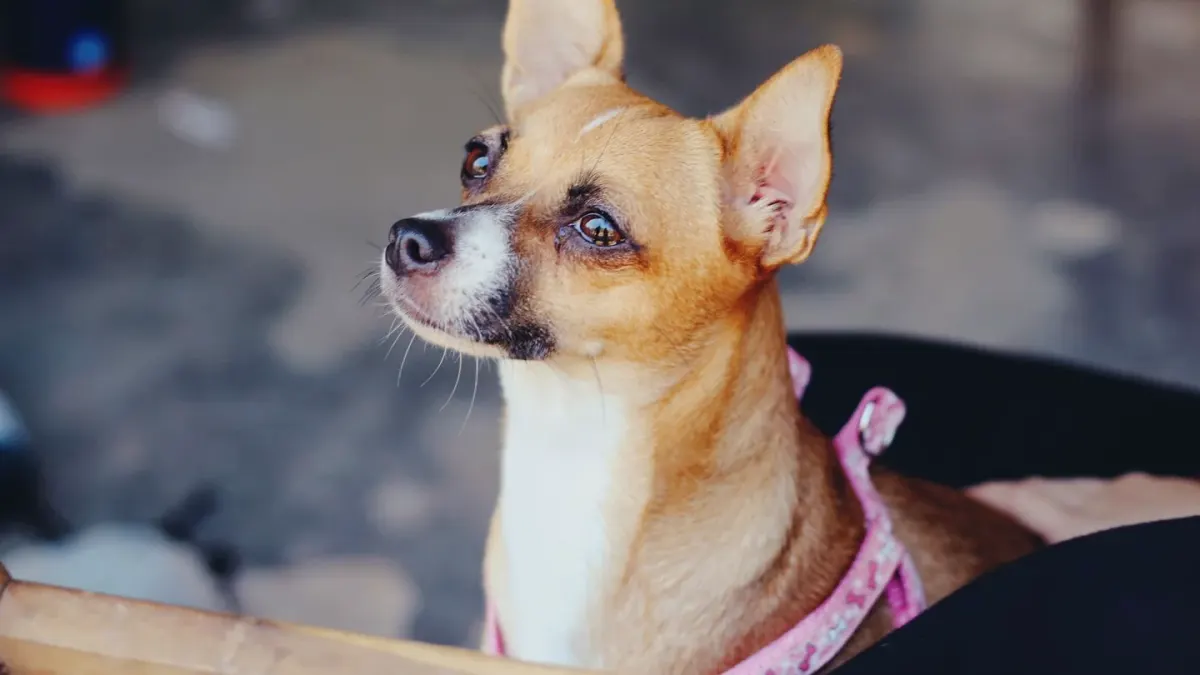
The kitchen door had barely closed when the 4-year-old Beagle, 28 pounds, spun back into the yard and grabbed his own stool before his owner could reach him. It was the third morning in a row, and she was embarrassed, frustrated, and convinced something was missing from his food. His weight was steady, his energy was good, and his last exam was normal, yet the habit was getting faster, not fading. That speed is what I pay attention to, because in my practice coprophagia is less often a single deficiency and more often a loop of taste, opportunity, gut function, and reinforcement that needs a whole-dog plan.
My position is direct: treat coprophagia as a behavior with medical rule-outs, then rebuild the gut plan around diet digestibility, stool quality, and routine, using acupuncture, Chinese herbs, food therapy, and Tui-na bodywork as one integrative plan. Pattern-based Eastern framing sits beside plain Western structure and function here, and I aim to may help support normal digestion, not cure a behavior.
Why Stool Still Looks Like Food to Some Dogs
Mother dogs ingest puppy stool, puppies explore with their mouths, and scavenger ancestry never fully left the modern dog. Undigested fat, starch, and protein odor can keep stool interesting, especially when meals are rushed, portions are large, or the diet is poorly digestible. That does not excuse the habit, but it explains why scolding after the fact rarely stops it.
In TCVM terms I often see this as Spleen-Stomach weakness with dampness: soft stools, gas, gurgles, a dog that begs, eats fast, and seeks extra material. In Western terms that maps to rapid transit, incomplete digestion, and a microbiome that never quite settles. What Does Healthy Dog Poop Look Like? A Vet’s Plain-Language Guide is the baseline I use, because firm, well-formed stool is both less attractive and easier to pick up before it becomes a reward.
The strongest counterargument is that coprophagia is purely behavioral, so diet and gut work are a distraction. There is truth in it — attention, boredom, anxiety, and well-rehearsed scavenging can sustain the behavior after digestion improves. I still land on gut-first because I cannot train cleanly around loose, fragrant, frequent stools, and a settled gut makes every behavior step work faster.
When Digestion Is Driving the Habit
Most cases are habit plus opportunity. A smaller group has a medical push: exocrine pancreatic insufficiency, malabsorption, chronic enteropathy, parasites, underfeeding, or a diet that simply does not suit the dog. Red flags for me are weight loss with good appetite, greasy or voluminous stools, vomiting, flatulence that clears rooms, and coprophagia that starts suddenly in an adult dog.
Exocrine pancreatic insufficiency is the clearest digestive example. “EPI is treated by pancreatic enzyme replacement therapy, nutritional management (low-residue diets with moderate fat content), and supplementation of cobalamin,” as reviewed in JAVMA. That same review cautions that “Future studies are needed to further understand the causes of persistent dysbiosis in animals with EPI following initiation of pancreatic enzyme replacement therapy and assess the efficacy of treatments to ameliorate these abnormalities.”
That matters for stool eaters. Enzymes alone do not always normalize the microbiome.
A 6-year-old German Shepherd, 78 pounds, came to me three weeks into enzyme therapy still cruising the yard for stool. His volume had improved by day 10, but his stools stayed soft, yellowish, and urgent twice daily, and his owner was adding larger meals to hold weight. We did not chase the habit with bitter sprays. We tightened the medical loop first: rechecked cobalamin and diet digestibility, kept meals small and frequent, and made immediate pickup non-negotiable while his gut caught up. The failed approach had been assuming enzymes alone would remove interest.
Probiotics enter here with honest limits. “Diversity metrics did not distinguish non-responders from responders,” reported in Frontiers in Veterinary Science. I read that as a reminder that no single strain count fixes every gut, which is why I pair any microbial support with food therapy, feeding rhythm, parasite control, and hands-on work rather than selling a powder as discipline in a jar. Digestive Enzymes for Dogs: When They’re Medicine and When They’re Just Marketing and Dog Gas Remedy: The Checklist I Use Before Reaching for a Supplement frame that same caution well.
My Four-Pillar Reset for Stool Eaters
I treat the whole patient as one integrative plan. Acupuncture to support vagal tone and gut motility, a pattern-matched Chinese herbal approach where indicated, food therapy built on digestible, consistent meals, and Tui-na along the abdomen and back to ease tension in fast eaters — each piece supports the others. Why Does My Dog Eat Grass and Then Throw Up? covers a related gut-behavior loop I see in the same dogs.
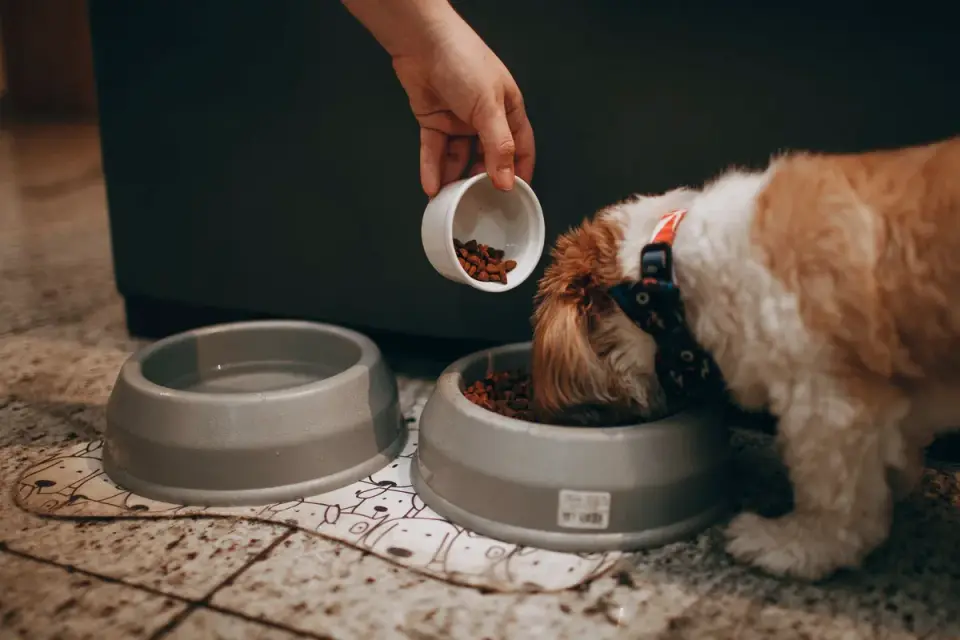
Start with removal of reward. Leash yard breaks for two weeks, pick up immediately, teach a hard leave-it and recall, feed on schedule, and slow the bowl. Add fiber thoughtfully only if stools need forming, keep treats under ten percent of calories, and ask your veterinarian about fecal testing, diet trial, or pancreatic workup when stools stay abnormal.
An 8-year-old Labrador mix, 65 pounds, showed the edge case owners miss. Her stools were perfect, her diet was stable, and she only ate the older dog’s stool in the house at night, by week two of a new anxiety pattern after a move. Gut work did not stop it. Nighttime confinement, earlier evening feeding, enzyme review for the housemate, and calm separation training did. The lesson travels: when the gut is quiet and the habit is selective, look at access, anxiety, and the other animal’s digestion.
Coprophagia resolves fastest when stool becomes boring, access disappears, and the dog has another job to do.
Frequently asked questions
Does eating poop mean my dog is missing nutrients?
Sometimes, but habit, taste, boredom, and incomplete digestion are more common. Persistent soft stools, weight loss, vomiting, or sudden onset in an adult warrant a veterinary workup for parasites, diet intolerance, pancreatic disease, and malabsorption.
Will probiotics or enzymes stop coprophagia?
They may help support normal digestion when the gut is unsettled, but they do not train behavior. Use them as part of a veterinary plan around digestible diet, stool quality, parasite control, and immediate pickup plus leave-it training.
Is it dangerous if my dog eats his own stool?
The main risks are parasites, bacterial exposure, and ingestion of medication passed in another animal's stool. Pick up promptly, keep parasite prevention current, and call your veterinarian for diarrhea, vomiting, lethargy, or weight loss.
Sources
- Exocrine pancreatic insufficiency and dysbiosis review — JAVMA
- Gut microbiome response and diversity in dogs — Frontiers in Veterinary Science